Author name: omkilkarihospital

Gynaecology

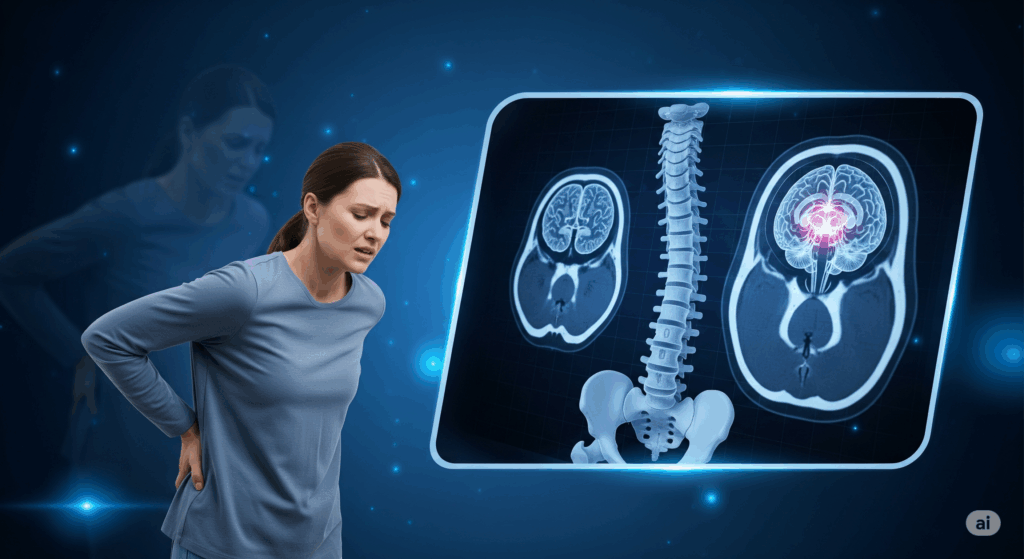
Brain & Spine Health: When to Seek Help for Back Pain or Neurological Symptoms

Back pain and neurological symptoms are common, but knowing when they signal a serious condition is crucial. While most back pain resolves with rest and conservative treatments, some symptoms require immediate medical attention. In this blog, Dr. S.K. Singh, a leading neurosurgeon, shares insights on recognizing red flags, understanding treatment options, and when to consider surgery. When Should You Seek Help? 🚨 Red Flags for Brain & Spine Conditions Certain symptoms indicate a serious underlying issue that needs prompt evaluation: For Back Pain: For Neurological Symptoms: Surgical vs. Non-Surgical Treatment Options 🩺 Non-Surgical Approaches (First-Line Treatment) Many spine and neurological conditions improve without surgery. Dr. S.K. Singh recommends: ⚕️ When Is Surgery Needed? Surgery becomes necessary when: Minimally invasive techniques (like microdiscectomy, endoscopic spine surgery, or robotic-assisted procedures) reduce recovery time and risks. Why Choose a Specialist for Complex Neuro Care? Early diagnosis and expert management prevent long-term damage. Dr. S.K. Singh’s clinic specializes in:✔ Advanced diagnostics (MRI, CT, nerve studies)✔ Personalized treatment plans (surgical & non-surgical)✔ Cutting-edge procedures for brain tumors, spine deformities, and stroke Final Thoughts Ignoring neurological or spinal symptoms can lead to irreversible damage. If you experience persistent pain, weakness, or sudden neurological changes, consult a specialist immediately. 📞 Need expert advice? Schedule a consultation with Dr. S.K. Singh today for a comprehensive evaluation and tailored treatment plan.

Gynaecology

Post-Laparoscopic Appendectomy Diet: What to Eat and Avoid for Faster Recovery

Appendicitis is a serious medical condition that requires immediate surgical intervention. At Varanasi Hospital, a leading laparoscopic surgery hospital in Varanasi, we specialize in minimally invasive laparoscopic appendix surgery, ensuring quicker recovery and minimal discomfort. After your laparoscopic appendectomy, following a proper diet is crucial for a smooth recovery. This blog provides a detailed dietary guide to help you heal faster and avoid complications. ✅ What to Eat After Laparoscopic Appendix Surgery? Your digestive system needs light, easily digestible, and nutrient-rich foods after surgery. Here’s a list of recommended foods: 1. Boiled & Soft Foods 2. Mashed & Peeled Fruits 3. Light Grains & Porridge 4. Soups & Stews 5. Low-Fat Dairy Products 6. Hydrating Fluids 7. Fresh Salads (After 3-4 Days) ❌ What to Avoid After Laparoscopic Appendectomy? Certain foods can slow digestion, cause bloating, or lead to infections. Avoid these: 1. Spicy & Chilli Foods 2. Fried & Fatty Foods 3. Outside/Junk Food 4. Full-Fat Dairy Products 5. Carbonated & Alcoholic Drinks 6. High-Fiber & Gas-Producing Foods 📊 Recovery Diet Plan (Day-by-Day Guide) Day Recommended Diet Avoid Day 1-2 Clear liquids (coconut water, dal water, herbal tea) Solid foods, milk Day 3-4 Khichdi, boiled veggies, mashed fruits Spicy, fried, outside food Day 5-7 Soft rice, dal, soups, curd High-fiber raw salads After 1 Week Normal diet (gradually reintroduce foods) Alcohol, excessive junk food 💡 Why Choose Varanasi Hospital for Laparoscopic Appendix Surgery? ✔ Expert laparoscopic surgeons✔ Minimally invasive, painless procedure✔ Faster recovery & minimal scarring✔ Cashless hospitalization options

Gynaecology

Expert Cardiologists and Their Role at the Best Cardiology Hospital in Varanasi – OM Kilkari Hospital

Heart disease has become one of the leading causes of death in India, making access to high-quality cardiology care more critical than ever. In a city as culturally rich and historically significant as Varanasi, OM Kilkari Hospital stands tall as a symbol of trust and excellence in cardiac care. Behind this reputation are the hospital’s expert cardiologists, who play a pivotal role in diagnosing, treating, and preventing cardiovascular diseases with utmost dedication and skill. In this blog, let’s delve into the crucial role expert cardiologists play and why OM Kilkari Hospital is regarded as the best cardiology hospital in Varanasi. 🫀 Why Cardiologists Are Vital to Heart Health Cardiologists are medical doctors who specialize in the diagnosis, treatment, and prevention of heart and blood vessel diseases. With lifestyle changes, increasing stress, and poor diet contributing to rising heart problems, the need for expert cardiology care has never been greater. At OM Kilkari Hospital, cardiologists are more than just heart doctors—they are life-savers who combine cutting-edge medical knowledge with compassionate care. 🩺 What Makes OM Kilkari Hospital the Best Cardiology Hospital in Varanasi? ✅ 1. Highly Experienced Cardiologists OM Kilkari Hospital is home to some of the most experienced and qualified cardiologists in Eastern Uttar Pradesh. Trained from prestigious institutes in India and abroad, our cardiac experts specialize in: These specialists conduct in-depth consultations and use advanced diagnostic tools to assess heart health precisely. ✅ 2. Advanced Cardiac Technology To provide the best outcomes, OM Kilkari Hospital has invested in state-of-the-art cardiac equipment, including: This technology helps our cardiologists detect problems early and act quickly. ✅ 3. Comprehensive Cardiac Services Whether it’s a minor issue like high blood pressure or a complex condition like heart failure, OM Kilkari Hospital offers a full range of cardiology services, such as: Our expert team works collaboratively with surgeons, dieticians, and rehabilitation specialists to offer holistic care. ✅ 4. Personalized Patient Care We believe every heart is unique. Our cardiologists provide individualized treatment plans based on each patient’s condition, lifestyle, age, and family history. We also emphasize: This approach ensures patients not only get better but stay healthy for life. ✅ 5. Affordable and Accessible Cardiology Care OM Kilkari Hospital’s mission is to provide world-class cardiac care at affordable prices. We accept major health insurance and government health schemes. Located conveniently in Varanasi, our hospital is easily accessible to people from nearby towns like Mirzapur, Bhadohi, Ghazipur, and Chandauli.

Gynaecology

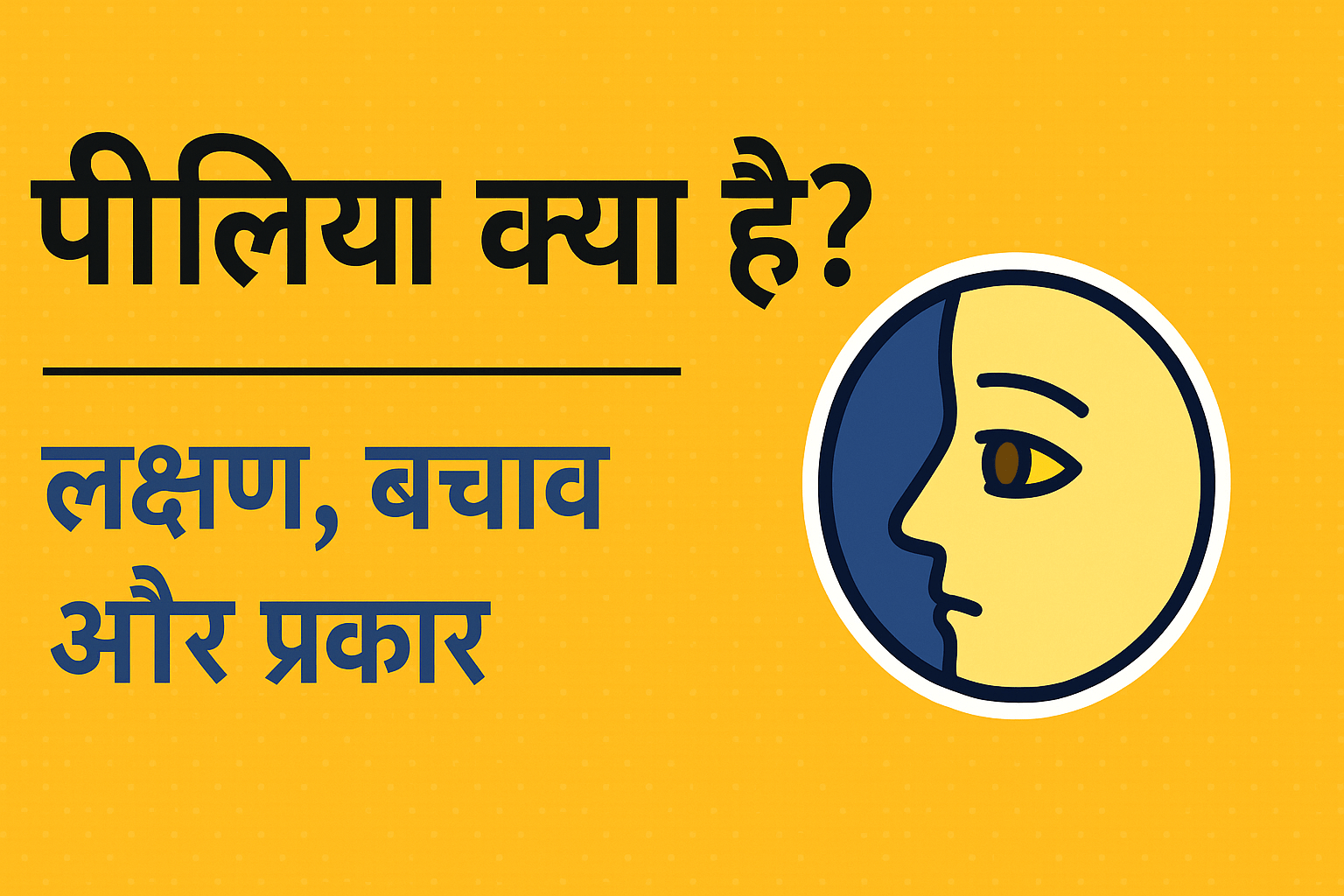
पीलिया क्या है? जानिए लक्षण, कारण, प्रकार और बचाव | Jaundice in Hindi

आज की व्यस्त जीवनशैली और असंतुलित खानपान के चलते पीलिया (Jaundice) एक आम लेकिन गंभीर स्वास्थ्य समस्या बनती जा रही है। यह बीमारी मुख्यतः हमारे लीवर (यकृत) से जुड़ी होती है, लेकिन यदि समय रहते इसका इलाज न किया जाए, तो यह गंभीर रूप भी ले सकती है। इस आर्टिकल में हम विस्तार से जानेंगे: पीलिया क्या है? (What is Jaundice in Hindi) पीलिया एक ऐसी शारीरिक अवस्था है जिसमें व्यक्ति की त्वचा, आंखों का सफेद भाग और नाखून पीले रंग के हो जाते हैं। यह इस कारण होता है क्योंकि खून में बिलीरुबिन (Bilirubin) नामक पिगमेंट की मात्रा बढ़ जाती है। बिलीरुबिन वह पदार्थ है जो पुरानी और नष्ट हो चुकी लाल रक्त कोशिकाओं के टूटने पर बनता है। सामान्य रूप से यह लीवर द्वारा शरीर से बाहर कर दिया जाता है, लेकिन जब लीवर या पित्त प्रणाली में कोई समस्या होती है, तब यह शरीर में जमा हो जाता है और पीलिया के लक्षण उत्पन्न करता है। पीलिया के मुख्य लक्षण (Symptoms of Jaundice in Hindi) पीलिया के लक्षण शुरुआत में हल्के हो सकते हैं, लेकिन समय के साथ गंभीर भी हो सकते हैं। नीचे कुछ प्रमुख लक्षण दिए गए हैं: 🔍 पीलिया के कारण (Causes of Jaundice) पीलिया के पीछे कई संभावित कारण हो सकते हैं, जिनमें शामिल हैं: पीलिया की जांच (Diagnosis of Jaundice) डॉक्टर पीलिया की पुष्टि के लिए निम्नलिखित जांचें कर सकते हैं: इन टेस्ट से यह पता चलता है कि पीलिया किस कारण से हुआ है – लीवर की खराबी, पित्त की रुकावट या खून से संबंधित कोई समस्या। पीलिया के प्रकार (Types of Jaundice in Hindi) 1. हेमोलिटिक पीलिया (Hemolytic Jaundice) यह तब होता है जब शरीर में लाल रक्त कोशिकाएं तेजी से टूटती हैं और बिलीरुबिन की मात्रा बढ़ जाती है। 2. हेपेटिक पीलिया (Hepatic Jaundice) यह लीवर की अंदरूनी बीमारियों जैसे हेपेटाइटिस, सिरोसिस आदि के कारण होता है। 3. ऑब्सट्रक्टिव पीलिया (Obstructive Jaundice) यह पित्त नली में अवरोध (जैसे पथरी या ट्यूमर) के कारण होता है, जिससे पित्त शरीर से बाहर नहीं निकल पाता। 4. नवजात पीलिया (Neonatal Jaundice) यह अधिकतर नवजात शिशुओं में जन्म के कुछ दिनों के भीतर दिखाई देता है और सामान्यतः स्वतः ठीक हो जाता है। पीलिया का इलाज (Treatment of Jaundice) पीलिया का इलाज इसके कारण पर निर्भर करता है। सामान्यत: नोट: पीलिया का इलाज हमेशा डॉक्टर की सलाह से ही करें। बिना जांच के घरेलू नुस्खों पर निर्भर न रहें। पीलिया में खान-पान (Diet in Jaundice) ✔️ क्या खाएं: ❌ क्या न खाएं: पीलिया के घरेलू उपाय (Home Remedies for Jaundice in Hindi) चेतावनी: ये उपाय केवल डॉक्टर के इलाज के साथ सहायक रूप में उपयोग करें। पीलिया से बचाव के उपाय (Prevention of Jaundice) निष्कर्ष (Conclusion) पीलिया एक लक्षण है, न कि सिर्फ बीमारी। यह आपके शरीर, खासकर लिवर की गंभीर समस्या की ओर इशारा करता है। यदि समय रहते इसका इलाज कर लिया जाए तो यह पूरी तरह से ठीक हो सकता है। संतुलित आहार, स्वच्छता और स्वस्थ जीवनशैली अपनाकर आप इस बीमारी से खुद को और अपने परिवार को सुरक्षित रख सकते हैं।

Uncategorized

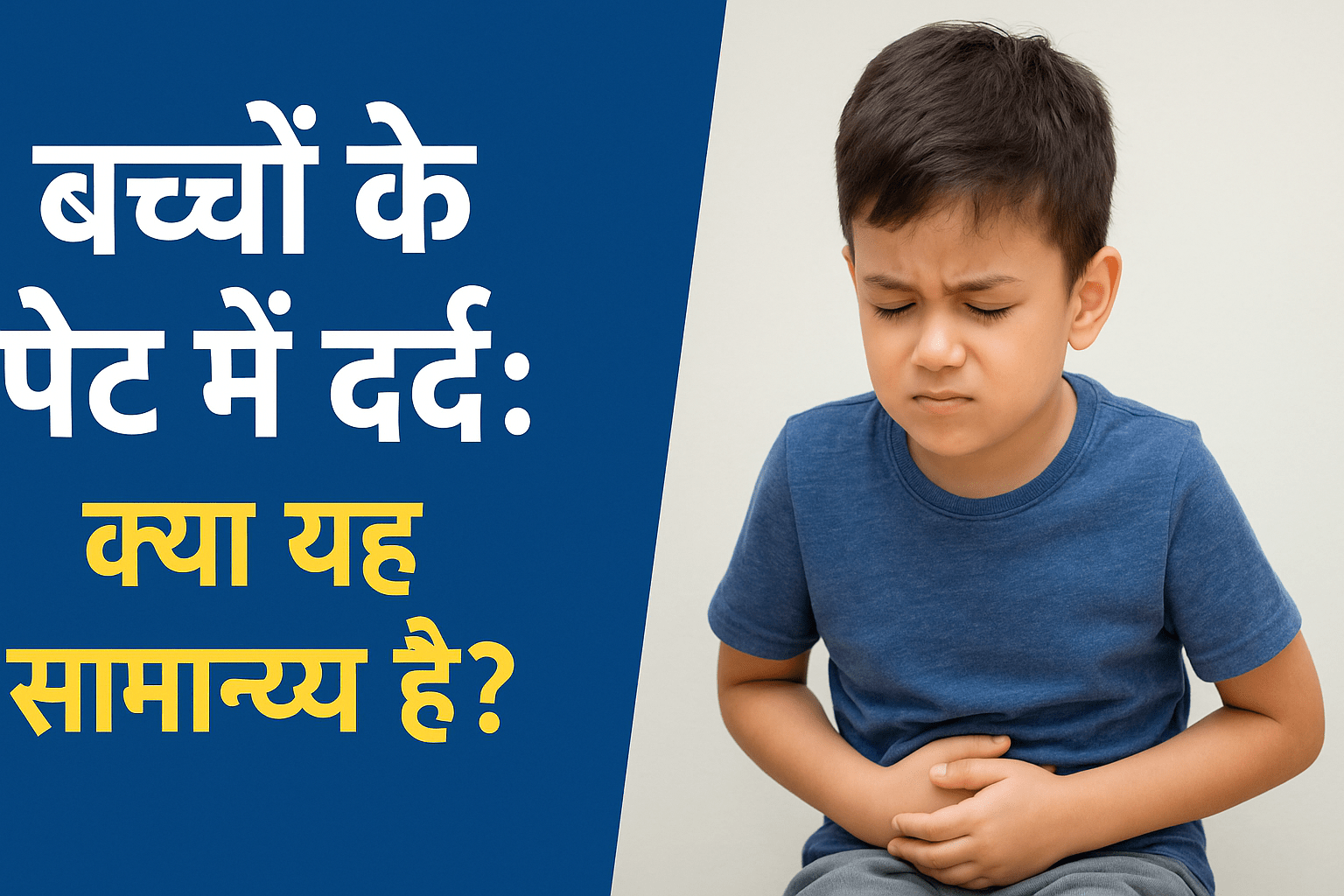
बच्चों के पेट में दर्द: क्या यह सामान्य है? कारण, लक्षण, इलाज और घरेलू उपाय

बचपन में पेट दर्द होना एक आम समस्या है, जिसे लगभग हर बच्चा कभी न कभी अनुभव करता है। लेकिन माता-पिता के लिए यह जानना बेहद ज़रूरी है कि यह दर्द सामान्य है या किसी गंभीर बीमारी का संकेत। बच्चों के पेट में दर्द के कई कारण हो सकते हैं—कुछ मामूली होते हैं, जैसे गैस या अपच, जबकि कुछ मामलों में यह संक्रमण, पाचन तंत्र की समस्या, या भावनात्मक तनाव का संकेत हो सकता है। इस लेख में हम विस्तार से जानेंगे कि बच्चों के पेट दर्द के संभावित कारण क्या हो सकते हैं, इसके लक्षण कैसे पहचानें, इलाज के विकल्प क्या हैं, और घरेलू उपाय कैसे कारगर हो सकते हैं। बच्चों के पेट दर्द के सामान्य कारण 1. गैस और अपच (Indigestion and Gas) गैस बनना या खाना ठीक से न पचना बच्चों में सबसे आम कारण होता है पेट दर्द का। ये अक्सर भारी भोजन, तला-भुना खाना या जल्दी-जल्दी खाने से होता है। 2. कब्ज (Constipation) जब बच्चा नियमित रूप से शौच नहीं करता या उसका मल सख्त होता है, तब उसे पेट दर्द हो सकता है। कब्ज बच्चों में आम है, खासकर जब वे कम पानी पीते हैं या फाइबर की कमी वाली डाइट लेते हैं। 3. इंफेक्शन (Infections) वायरल या बैक्टीरियल संक्रमण, जैसे फूड पॉइजनिंग या पेट की फ्लू (Gastroenteritis), पेट दर्द का कारण बन सकते हैं। इसमें उल्टी, दस्त और बुखार जैसे लक्षण भी होते हैं। 4. दूध या फूड इनटॉलरेंस (Food Intolerance) कई बार बच्चे को दूध या किसी विशेष भोजन से एलर्जी या इनटॉलरेंस हो सकती है, जिससे उसे पेट दर्द होता है। 5. भावनात्मक तनाव (Emotional Stress) स्कूल, दोस्तों या परिवार से जुड़े तनाव भी बच्चों में पेट दर्द का कारण बन सकते हैं। इसे अक्सर फंक्शनल एब्डॉमिनल पेन कहा जाता है। 6. पेट में कीड़े (Intestinal Worms) बच्चों को गंदे हाथों या खुले में खेलने से पेट में कीड़े हो सकते हैं, जिससे उन्हें दर्द, खुजली और भूख में बदलाव महसूस होता है। 7. यूटीआई (Urinary Tract Infection) लड़कों और लड़कियों दोनों में यूटीआई भी पेट दर्द का कारण बन सकता है, विशेषकर निचले पेट में। 8. अपेंडिसाइटिस (Appendicitis) यह गंभीर लेकिन कम सामान्य स्थिति है, जिसमें पेट के दाईं ओर तेज दर्द होता है। इसमें तुरंत मेडिकल ध्यान देना जरूरी होता है। बच्चों में पेट दर्द के लक्षण कैसे पहचानें? कब डॉक्टर से मिलना चाहिए? यदि नीचे दिए गए लक्षण दिखें, तो डॉक्टर से तुरंत सलाह लें: घरेलू उपाय जो बच्चों में पेट दर्द में राहत दे सकते हैं नोट: ये उपाय हल्के दर्द के लिए हैं, गंभीर मामलों में डॉक्टर से सलाह ज़रूरी है। 1. गुनगुना पानी दें हल्के दर्द में गुनगुना पानी पीने से गैस और अपच से राहत मिल सकती है। 2. हींग और पानी का लेप हींग को गुनगुने पानी में घोलकर पेट पर हल्के हाथों से लगाने से गैस के दर्द में आराम मिलता है। 3. सौंफ और मिश्री का पानी सौंफ और मिश्री को पानी में उबालकर बच्चे को पिलाने से पाचन में सुधार होता है। 4. नरम खाना दें दर्द के दौरान बच्चे को हल्का और सुपाच्य भोजन दें जैसे खिचड़ी, दलिया, या केले। 5. पेट पर हल्की गर्म सिकाई गर्म पानी की बोतल को तौलिए में लपेटकर हल्की गर्म सिकाई करने से मांसपेशियों को आराम मिलता है। 6. नींबू और शहद का सेवन (6 साल से ऊपर के बच्चों के लिए) नींबू और शहद का हल्का गर्म पानी में सेवन गैस और अपच में मदद करता है। बच्चों में पेट दर्द से बचाव कैसे करें? 1. स्वच्छता का ध्यान रखें बच्चों को नियमित हाथ धोने की आदत डालें, खासकर खाने से पहले और शौच के बाद। 2. संतुलित आहार दें भोजन में फाइबर, फल, हरी सब्ज़ियाँ और पर्याप्त पानी शामिल करें। 3. फास्ट फूड और पैक्ड चीज़ों से परहेज तेलयुक्त, तला हुआ या ज्यादा मसालेदार खाना कम दें। 4. नियमित समय पर खाना बच्चों को खाने और सोने का एक तय समय दें। 5. तनाव को समझें बच्चों से उनके दिन की बातचीत करें, उनके भावनात्मक स्वास्थ्य को समझें। इलाज: मेडिकल उपचार के विकल्प 1. डॉक्टर द्वारा जांच और निदान पेट दर्द का सही कारण जानने के लिए डॉक्टर जरूरी टेस्ट करवा सकते हैं: 2. दवाएं 3. पोषण विशेषज्ञ की सलाह बार-बार पेट दर्द की स्थिति में डाइट की समीक्षा करना जरूरी हो सकता है। निष्कर्ष बच्चों में पेट दर्द एक आम लेकिन महत्वपूर्ण स्वास्थ्य समस्या है। अधिकतर मामलों में यह हल्के कारणों से होता है और घरेलू उपचार से ठीक हो जाता है। लेकिन यदि दर्द लंबे समय तक बना रहे, बहुत तीव्र हो, या अन्य लक्षणों के साथ हो, तो डॉक्टर से संपर्क करना बेहद जरूरी है। माता-पिता को बच्चों की दिनचर्या, खान-पान और भावनात्मक स्वास्थ्य का विशेष ध्यान रखना चाहिए। सही जानकारी, समय पर इलाज और देखभाल से पेट दर्द जैसी समस्याओं को आसानी से नियंत्रित किया जा सकता है।

Uncategorized

Male Fertility Matters: Understanding and Addressing Male Infertility

When discussing fertility issues, much of the focus is often on women. However, male infertility is a significant and frequently overlooked factor in conception struggles. In fact, male infertility contributes to nearly 50% of all infertility cases, making it just as critical to understand and address as female infertility. In this blog, we’ll explore the causes, diagnosis, and treatment options for male infertility, as well as lifestyle changes that can improve fertility. Understanding Male Infertility Male infertility is defined as the inability to conceive a child after 12 months of regular, unprotected intercourse due to issues with sperm production, function, or delivery. Common causes include: 1. Low Sperm Count (Oligospermia) A low sperm count means fewer sperm are available to fertilize an egg. A healthy sperm count is typically 15 million sperm per milliliter or more—anything below that may reduce fertility. 2. Poor Sperm Motility (Asthenospermia) Sperm must swim effectively to reach and fertilize an egg. If motility is weak, sperm may not complete this journey. 3. Abnormal Sperm Morphology (Teratospermia) Abnormally shaped sperm (e.g., wrong head or tail structure) may struggle to penetrate an egg. 4. Blockages in the Reproductive Tract Obstructions in the vas deferens, epididymis, or ejaculatory ducts can prevent sperm from being ejaculated. 5. Hormonal Imbalances Low testosterone or other hormonal disorders (e.g., pituitary gland issues) can impair sperm production. 6. Genetic Factors Conditions like Klinefelter syndrome, Y-chromosome deletions, or cystic fibrosis mutations can affect fertility. 7. Lifestyle & Environmental Factors Diagnosing Male Infertility If conception hasn’t occurred after a year (or six months if the woman is over 35), both partners should undergo fertility testing. For men, diagnosis typically includes: Treatment Options for Male Infertility 1. Medical Treatments 2. Assisted Reproductive Technology (ART) 3. Lifestyle & Natural Remedies Breaking the Stigma: Why Male Fertility Matters Many men feel shame or embarrassment about infertility, but it’s a common and treatable medical condition. Open conversations and early intervention can lead to better outcomes. If you’re struggling to conceive, consult a fertility specialist to explore your options.

Uncategorized

The Essential Role of Trauma Care Specialists in Emergency Medicine

When a traumatic injury occurs—whether from a car accident, a fall, or a violent incident—every second counts. The difference between life and death often hinges on the expertise of trauma care specialists, the highly trained medical professionals who stabilize and treat critically injured patients in emergency settings. In this blog, we’ll explore the indispensable role of trauma care specialists in emergency medicine, the skills they bring to the table, and why their work is vital to saving lives. Who Are Trauma Care Specialists? Trauma care specialists are physicians, surgeons, nurses, and emergency medical technicians (EMTs) who specialize in acute injury management. They work in trauma centers, emergency departments, and pre-hospital settings, providing rapid assessment and life-saving interventions. These professionals often include: Why Trauma Specialists Are Crucial in Emergencies 1. Rapid Response & Triage In trauma cases, the “Golden Hour”—the first 60 minutes after injury—is critical. Trauma specialists are trained to quickly assess injuries, prioritize treatment, and prevent further harm. 2. Advanced Life-Saving Techniques From intubation and chest tube insertion to emergency surgeries, trauma specialists perform complex procedures under extreme pressure. Their expertise ensures patients receive the best chance of survival. 3. Multidisciplinary Coordination Trauma care is a team effort. Specialists collaborate with radiologists, anesthesiologists, and rehabilitation experts to ensure seamless care from the ER to recovery. 4. Handling Complex Cases Trauma cases often involve multiple injuries (e.g., head trauma, fractures, internal bleeding). Specialists are trained to manage these complexities simultaneously. The Impact of Trauma Care Specialists Studies show that access to trauma centers staffed with specialists reduces mortality rates by up to 25%. Their ability to act swiftly and decisively transforms outcomes for patients with severe injuries. Conclusion Trauma care specialists are the unsung heroes of emergency medicine. Their expertise, quick decision-making, and technical skills save countless lives every day. As emergency medicine continues to evolve, the role of trauma specialists remains essential—ensuring that when disaster strikes, patients receive the best possible care.

Uncategorized

Beat the Heat: Summer & Monsoon Health Tips from OMKilkari Doctors

As the scorching summer transitions into the humid monsoon, the health needs of children and families evolve. At OMKilkari Women and Children’s Hospital, our doctors understand the seasonal health challenges and offer expert-backed tips to keep you and your little ones safe, hydrated, and healthy through both summer heatwaves and monsoon downpours. 🌞 Summer Health Tips from OMKilkari Experts Summer in India can be harsh, with high temperatures, intense sun, and a heightened risk of dehydration and heat-related illnesses. Here’s how to protect your family: 1. Hydration is Key Children are more prone to dehydration. Encourage them to drink: 2. Dress Smart 3. Light & Nutritious Meals 4. Prevent Heat-Related Illnesses Watch for symptoms like: What OMKilkari Recommends: Use cool wet towels on the neck, feet, and underarms. In severe cases, seek immediate medical help. 🌧️ Monsoon Health Tips from OMKilkari Experts Monsoons bring a welcome drop in temperature, but they also carry increased risks of waterborne diseases, infections, and mosquito-related illnesses. 1. Boost Immunity With monsoon-related infections on the rise, strengthen the immune system through: 2. Avoid Street Food 3. Mosquito Protection Dengue, malaria, and chikungunya peak in monsoon. Protect your family by: 4. Keep Kids Dry and Warm Wet clothes and cold winds can lead to coughs and colds. Always: 👶 Special Care for Babies and Toddlers Whether summer or monsoon, younger children need extra attention. ✅ For Summer: ✅ For Monsoon: 💡 Tips from OMKilkari Pediatricians 🧘‍♀️ Wellness for Moms Too! At OMKilkari, we care for mothers as much as children. During summer and monsoon, mothers should: 🏥 When to Visit OMKilkari Visit OMKilkari if your child has: Our pediatricians and gynecologists are available 24/7 for any summer or monsoon-related health concerns. 🌈 Final Words from OMKilkari Seasons change, but our commitment to your family’s well-being remains constant. By following these practical tips and staying alert to seasonal risks, you can ensure a happy, healthy summer and monsoon season for your children and yourself. Stay safe. Stay hydrated. Stay healthy — with OMKilkari.

Uncategorized

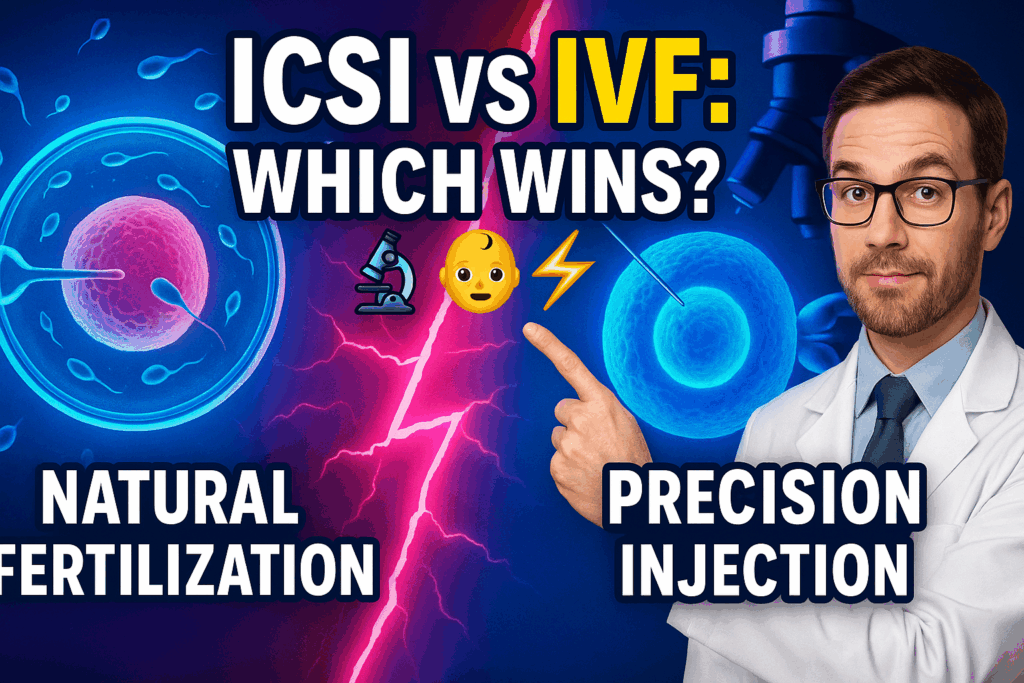
ICSI vs. IVF: Understanding the Differences and Benefits

When it comes to assisted reproductive technologies (ART), In Vitro Fertilization (IVF) and Intracytoplasmic Sperm Injection (ICSI) are two of the most commonly used treatments for infertility. While both procedures involve fertilizing an egg outside the body, they differ in key ways. In this blog, we’ll explore:✅ What IVF is and how it works✅ What ICSI is and how it differs from IVF✅ When ICSI is recommended over IVF✅ Success rates and risks of both procedures 1. What is IVF? In Vitro Fertilization (IVF) is a fertility treatment where eggs are retrieved from a woman’s ovaries and fertilized with sperm in a laboratory. The resulting embryos are then transferred into the uterus. How IVF Works: Who is IVF For? 2. What is ICSI? Intracytoplasmic Sperm Injection (ICSI) is a specialized form of IVF where a single sperm is injected directly into an egg to facilitate fertilization. How ICSI Works: The process is similar to IVF, except: Who is ICSI For? 3. Key Differences Between IVF and ICSI Feature IVF ICSI Fertilization Method Sperm and egg mixed in a dish Single sperm injected into egg Sperm Requirement Needs moderate sperm count & motility Works with very low sperm count Success Rate (Fertilization) ~50-70% (depends on sperm quality) ~70-80% (higher for male infertility) Cost Generally lower Slightly more expensive Used For Unexplained infertility, tubal factors Severe male infertility, IVF failures 4. Which is Better: IVF or ICSI? Neither is inherently “better”—it depends on the cause of infertility. Some clinics use ICSI for all IVF cases to maximize fertilization chances, but it’s not always needed. 5. Success Rates and Risks Success Rates: Risks: Both procedures carry similar risks: 6. Conclusion: IVF vs. ICSI If you’re considering fertility treatment, consult a reproductive specialist to determine whether IVF or ICSI is right for you. FAQs Q: Is ICSI more successful than IVF?A: Only for male infertility—otherwise, success rates are similar. Q: Can ICSI be done with frozen sperm?A: Yes, ICSI is often used with frozen or surgically retrieved sperm. Q: Does ICSI guarantee pregnancy?A: No, but it improves fertilization chances in severe male infertility cases. Q: Is ICSI more expensive than IVF?A: Yes, by about $1,000-$2,000 due to the specialized procedure.

Omkilkari Multispeciality Hospital Varanasi | Best Healthcare Services
Gynaecology

Omkilkari Multispeciality Hospital Varanasi: Your One-Stop Destination for Complete Healthcare

Introduction When it comes to quality healthcare in Varanasi, Omkilkari Multispeciality Hospital stands out as a trusted and advanced medical facility offering comprehensive treatments across various specialties. Whether you need emergency care, advanced surgeries, maternity services, or chronic disease management, our hospital is equipped with cutting-edge technology, experienced doctors, and patient-centric care. In this blog, we’ll explore why Omkilkari Multispeciality Hospital is the best healthcare choice in Varanasi, the range of services we offer, and what makes us a preferred destination for medical treatment. Why Choose Omkilkari Multispeciality Hospital? 1. Advanced Medical Infrastructure 2. Expert Team of Doctors 3. Comprehensive Healthcare Services 4. High Success Rates & Patient Satisfaction 5. Hygiene & Safety Standards Key Specialties & Treatments Offered 1. General Medicine & Critical Care 2. Cardiology & Heart Care 3. Neurology & Neurosurgery 4. Orthopedics & Joint Replacement 5. Gynecology & Obstetrics 6. Pediatrics & Neonatology 7. Gastroenterology & Laparoscopic Surgery 8. Urology & Kidney Care 9. ENT & Audiology 10. Dermatology & Cosmetology Patient-Centric Approach At Omkilkari Multispeciality Hospital, we prioritize:✅ Transparent pricing & no hidden costs✅ Comfortable & well-maintained patient rooms✅ Online appointment booking & teleconsultation✅ Post-treatment follow-ups & rehabilitation support Frequently Asked Questions (FAQs) Q1. Where is Omkilkari Multispeciality Hospital located in Varanasi? We are centrally located with easy accessibility. (Add exact address if needed.) Q2. Do you accept health insurance? Yes, we are empaneled with major health insurance providers. Q3. What are the visiting hours? General visiting hours are 10 AM – 6 PM, but emergency services are 24/7. Q4. How can I book an appointment? Call [Hospital Number] or book online via [Website/App Link]. Conclusion Omkilkari Multispeciality Hospital Varanasi is your trusted partner for complete healthcare, offering world-class treatments with compassion. Whether you need routine check-ups, specialized surgeries, or emergency care, we ensure the best medical outcomes.

Scroll to Top
Call Now