
Introduction
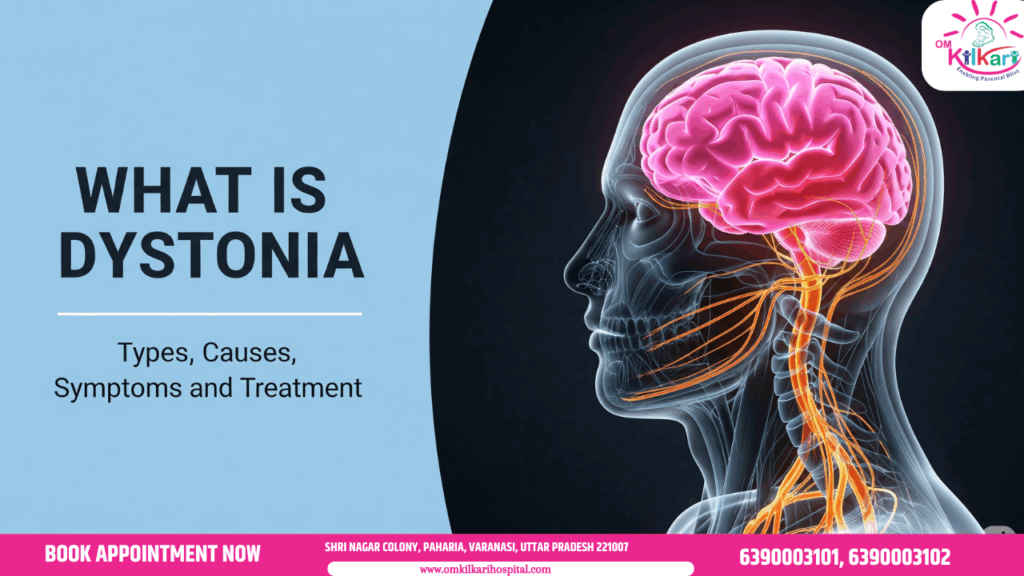
Dystonia is a complex neurological movement disorder characterized by involuntary muscle contractions, leading to repetitive or twisting movements and abnormal postures. It can affect a single muscle, a group of muscles, or the entire body, significantly impacting a person’s quality of life.
In this comprehensive guide, we will explore:
- What is Dystonia?
- Types of Dystonia
- Causes and Risk Factors
- Symptoms and Diagnosis
- Treatment Options
- Living with Dystonia
By the end of this article, you will have a thorough understanding of dystonia, its management, and the latest advancements in treatment.
What is Dystonia?
Dystonia is a movement disorder where the brain sends incorrect signals to muscles, causing them to contract involuntarily. These contractions can be painful and may lead to abnormal postures or repetitive movements.
Key Facts About Dystonia
- Affects 250,000+ people in the U.S. and millions worldwide.
- Can occur at any age (childhood-onset or adult-onset).
- May be primary (genetic) or secondary (acquired due to injury or disease).
- Ranges from mild to severe, sometimes leading to disability.
Types of Dystonia
Dystonia is classified based on affected body parts and underlying causes.
1. Focal Dystonia (Affects One Body Part)
- Cervical Dystonia (Spasmodic Torticollis) – Neck muscles contract, causing head twisting.
- Blepharospasm – Eyelid muscles spasm, leading to excessive blinking or eye closure.
- Oromandibular Dystonia – Jaw, tongue, and face muscles contract, affecting speech and eating.
- Laryngeal Dystonia (Spasmodic Dysphonia) – Vocal cords spasm, causing voice breaks.
- Writer’s Cramp – Hand cramps during writing or fine motor tasks.
2. Segmental Dystonia (Affects Adjacent Body Parts)
- Meige Syndrome – Combines blepharospasm and oromandibular dystonia.
- Hemidystonia – Affects one side of the body (often due to stroke or brain injury).
3. Generalized Dystonia (Whole Body Affected)
- Often begins in childhood (e.g., DYT1 gene mutation).
- Starts in limbs and spreads to torso and other muscles.
4. Paroxysmal Dystonia (Episodic Spasms)
- Sudden, short-lasting attacks triggered by movement, stress, or fatigue.
5. Task-Specific Dystonia
- Occurs only during certain activities (e.g., musician’s dystonia in pianists or guitarists).
Causes and Risk Factors
Dystonia can result from genetic mutations, brain injuries, or other medical conditions.
Primary Dystonia (Genetic Causes)
- DYT1, DYT6, DYT11 (TOR1A, THAP1, SGCE genes) – Hereditary forms.
- Early-onset generalized dystonia – Often linked to DYT1 mutation.
Secondary Dystonia (Acquired Causes)
- Brain injury (stroke, trauma, oxygen deprivation).
- Infections (encephalitis, HIV).
- Toxins or medications (neuroleptics, anti-nausea drugs).
- Metabolic disorders (Wilson’s disease, mitochondrial diseases).
- Parkinson’s disease (dystonia can be a symptom).
Risk Factors
- Family history of dystonia or movement disorders.
- Exposure to dopamine-blocking drugs (antipsychotics).
- Head or neck trauma.
Symptoms of Dystonia
Symptoms vary depending on the type but commonly include:
- Involuntary muscle contractions (twisting, tremors, cramping).
- Abnormal postures (head tilt, clenched fists, foot curling).
- Pain and discomfort in affected muscles.
- Worsening with stress or fatigue.
- Task-specific symptoms (e.g., difficulty writing or playing an instrument).
When to See a Doctor
- Persistent muscle spasms.
- Unexplained pain or posture changes.
- Difficulty with daily activities due to movement problems.
Diagnosis of Dystonia
Diagnosing dystonia involves:
- Medical History & Physical Exam – Assessing symptoms and triggers.
- Neurological Examination – Testing reflexes, coordination, and muscle function.
- Genetic Testing – For hereditary forms (DYT1, DYT6).
- MRI or CT Scan – To rule out brain lesions or injuries.
- Blood/Urine Tests – Checking for metabolic disorders (Wilson’s disease).
- EMG (Electromyography) – Measures muscle activity.
Treatment Options for Dystonia
While there’s no cure, treatments help manage symptoms and improve quality of life.
1. Medications
- Botulinum Toxin (Botox®) – Injections relax overactive muscles (effective for focal dystonia).
- Anticholinergics (Trihexyphenidyl) – Reduce nerve signals causing spasms.
- Muscle Relaxants (Baclofen) – Eases generalized dystonia.
- Dopamine Modulators (Levodopa) – Helps if dystonia is linked to Parkinson’s.
2. Physical & Occupational Therapy
- Stretching exercises to prevent contractures.
- Adaptive devices (splints, ergonomic tools).
3. Deep Brain Stimulation (DBS)
- Surgical implant sends electrical pulses to brain areas controlling movement.
- Effective for severe generalized or cervical dystonia.
4. Alternative Therapies
- Yoga & Meditation – Reduces stress-induced spasms.
- Acupuncture – May relieve muscle tension.
Living with Dystonia
Managing dystonia involves:
- Regular follow-ups with a neurologist.
- Joining support groups (Dystonia Medical Research Foundation).
- Stress management techniques (biofeedback, relaxation exercises).
- Adapting lifestyle (ergonomic workspaces, assistive devices).
Conclusion
Dystonia is a challenging but manageable condition. Early diagnosis and a tailored treatment plan can significantly improve symptoms and quality of life. If you or a loved one experiences unexplained muscle spasms, consult a neurologist for proper evaluation.