
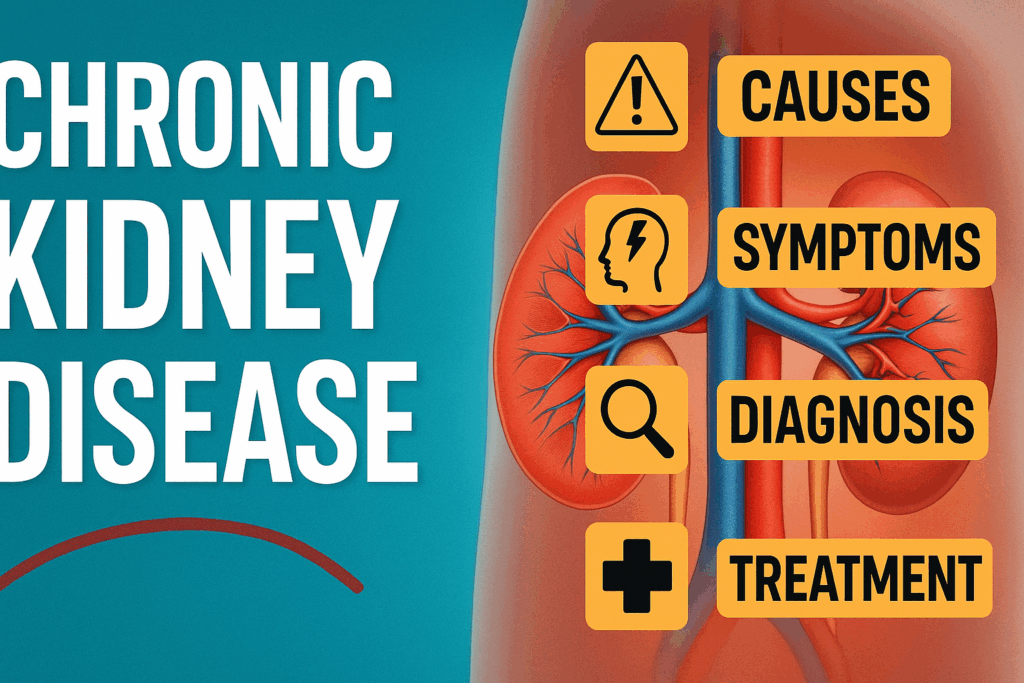
Chronic Kidney Disease (CKD) is a silent epidemic affecting millions worldwide. Despite its high prevalence and grave complications, it often goes undiagnosed until it’s too late. Early detection, proper treatment, and lifestyle changes can make a significant difference in managing the disease and improving quality of life. This comprehensive blog will explore the causes, symptoms, diagnosis, treatment options, and pathology of CKD.
What is Chronic Kidney Disease?
Chronic Kidney Disease (CKD), also known as chronic renal disease, refers to the gradual loss of kidney function over time. The kidneys filter waste and excess fluids from the blood, which are then excreted in the urine. In CKD, this function deteriorates progressively, potentially leading to kidney failure or end-stage renal disease (ESRD), which requires dialysis or kidney transplantation.
CKD is classified into five stages, with Stage 1 being mild kidney damage and Stage 5 being kidney failure. The progression is usually slow but can accelerate if left untreated.
Global Burden of CKD
According to the Global Burden of Disease Study, CKD is among the top ten leading causes of death worldwide. In India alone, millions suffer from CKD, with diabetes and hypertension being the leading contributors. The increasing prevalence of lifestyle-related diseases means CKD will continue to rise unless timely interventions are made.
Causes of Chronic Kidney Disease
CKD can result from a wide range of conditions, most commonly:
1. Diabetes Mellitus (Type 1 and Type 2)
- The leading cause of CKD worldwide.
- High blood sugar levels damage the filtering units (glomeruli) in the kidneys.
- Diabetic nephropathy can lead to protein leakage and eventual renal failure.
2. Hypertension (High Blood Pressure)
- Elevated blood pressure can damage kidney blood vessels.
- It accelerates the progression of kidney dysfunction.
3. Glomerulonephritis
- Inflammation of the kidney’s filtering units.
- May be acute or chronic and can result from autoimmune diseases or infections.
4. Polycystic Kidney Disease
- A genetic disorder characterized by the growth of numerous cysts in the kidneys.
- Leads to kidney enlargement and impaired function.
5. Obstructive Uropathy
- Caused by kidney stones, enlarged prostate, tumors, or congenital defects that block urine flow.
6. Recurrent Urinary Tract Infections
- Repeated infections can cause scarring and damage kidney tissues.
7. Drug and Toxin Exposure
- Long-term use of NSAIDs, certain antibiotics, and contrast dyes can harm the kidneys.
- Exposure to heavy metals like lead and cadmium also contributes.
Symptoms of Chronic Kidney Disease
CKD often remains asymptomatic in the early stages. Symptoms usually appear in the later stages when kidney function is significantly impaired.
Common Symptoms Include:
- Fatigue and Weakness: Due to anemia or toxin buildup.
- Swelling (Edema): Especially in the legs, feet, or around the eyes.
- Frequent Urination: Especially at night (nocturia).
- Blood in Urine (Hematuria) or foamy urine (proteinuria).
- High Blood Pressure: Difficult to control.
- Loss of Appetite, Nausea, and Vomiting
- Itchy Skin and Dryness
- Muscle Cramps and Twitching
- Shortness of Breath: From fluid overload or anemia.
- Difficulty Concentrating and Brain Fog
These symptoms are often non-specific, making routine screening important in high-risk groups.
Pathology of Chronic Kidney Disease
Understanding the pathology of CKD involves examining how the disease affects the kidneys at a microscopic and functional level.
1. Structural Changes
- Glomerular sclerosis (scarring of filtering units)
- Tubular atrophy
- Interstitial fibrosis (replacement of functional tissue with fibrous tissue)
- Vascular changes (narrowing of renal blood vessels)
2. Functional Decline
- Gradual reduction in Glomerular Filtration Rate (GFR)
- Loss of ability to concentrate urine
- Impaired excretion of waste products like urea and creatinine
- Disruption of electrolyte and acid-base balance
3. Histological Classifications
- Based on kidney biopsy, CKD is categorized into various glomerular, vascular, and tubulointerstitial diseases.
4. Secondary Effects
- Anemia due to reduced erythropoietin production
- Mineral bone disorders (renal osteodystrophy)
- Cardiovascular complications from fluid overload and hypertension
Diagnosis of Chronic Kidney Disease
Early diagnosis is key to slowing disease progression. Various tests and evaluations are used:
1. Blood Tests
- Serum Creatinine: Elevated levels indicate poor kidney function.
- Estimated GFR (eGFR): The gold standard for assessing kidney function.
- Blood Urea Nitrogen (BUN): Measures waste products in blood.
- Electrolyte Panel: Assesses sodium, potassium, calcium, and phosphate levels.
2. Urine Tests
- Urinalysis: Checks for protein, blood, or glucose in the urine.
- Urine Albumin-to-Creatinine Ratio (UACR): Detects microalbuminuria, an early sign of kidney damage.
- 24-Hour Urine Collection: Measures total protein loss and kidney clearance.
3. Imaging Studies
- Ultrasound: Detects structural abnormalities, cysts, or obstructions.
- CT Scan / MRI: Used in complex cases for detailed views.
4. Kidney Biopsy
- Recommended when diagnosis is uncertain or to evaluate unexplained kidney decline.
- Helps identify the type and severity of kidney disease.
Stages of Chronic Kidney Disease
CKD is categorized into five stages based on eGFR:
| Stage | eGFR (ml/min/1.73m²) | Description |
|---|---|---|
| 1 | ≥ 90 | Normal function with damage |
| 2 | 60–89 | Mild loss of kidney function |
| 3a | 45–59 | Mild to moderate loss |
| 3b | 30–44 | Moderate to severe loss |
| 4 | 15–29 | Severe kidney function loss |
| 5 | < 15 or on dialysis | Kidney failure (ESRD) |
Treatment of Chronic Kidney Disease
CKD has no cure, but its progression can be delayed or managed through medications, lifestyle changes, and in severe cases, dialysis or transplantation.
1. Lifestyle Modifications
- Blood Pressure Control: Maintain <130/80 mmHg
- Diabetes Management: Target HbA1c < 7%
- Dietary Changes:
- Low sodium, low protein, low phosphate diet
- Adequate calorie intake
- Smoking Cessation
- Regular Physical Activity
2. Medications
- ACE Inhibitors or ARBs: For blood pressure and proteinuria control
- Diuretics: To manage fluid overload
- Phosphate Binders: Reduce phosphate absorption in advanced CKD
- Erythropoietin Stimulating Agents: For anemia
- Vitamin D Supplements: To manage mineral bone disorders
- Sodium Bicarbonate: For metabolic acidosis
3. Dialysis
- Hemodialysis: Blood is filtered through a machine 2–3 times per week.
- Peritoneal Dialysis: Uses the lining of the abdomen to filter blood internally.
4. Kidney Transplant
- The most effective treatment for ESRD.
- Involves replacing the diseased kidney with a healthy one from a donor.
- Requires lifelong immunosuppressants.
Complications of Chronic Kidney Disease
CKD can lead to serious complications, including:
- Cardiovascular Disease: Leading cause of death in CKD patients.
- Anemia
- Bone and Mineral Disorders
- Electrolyte Imbalance
- Uremia: Toxin buildup leading to nausea, confusion, and death if untreated.
- Hyperkalemia: High potassium levels can cause arrhythmias.
Preventing Chronic Kidney Disease
Prevention focuses on controlling risk factors and regular screening:
- Manage Diabetes and Hypertension aggressively.
- Routine Kidney Function Tests in high-risk individuals.
- Avoid Overuse of Painkillers and harmful substances.
- Healthy Lifestyle Choices: Weight control, no smoking, moderate alcohol intake.
Living with Chronic Kidney Disease
A CKD diagnosis is life-altering but manageable. Patients can live productive lives by:
- Following their care team’s advice
- Adhering to medication and diet plans
- Keeping regular appointments
- Joining CKD support groups
- Educating themselves about the disease
Conclusion
Chronic Kidney Disease is a growing public health concern with serious consequences if not addressed early. While there is no cure, CKD progression can be slowed significantly with early diagnosis, appropriate treatment, and lifestyle changes. Public awareness and proactive management are crucial in combating this silent but deadly disease.