
Back pain and neurological symptoms are common, but knowing when they signal a serious condition is crucial. While most back pain resolves with rest and conservative treatments, some symptoms require immediate medical attention. In this blog, Dr. S.K. Singh, a leading neurosurgeon, shares insights on recognizing red flags, understanding treatment options, and when to consider surgery.
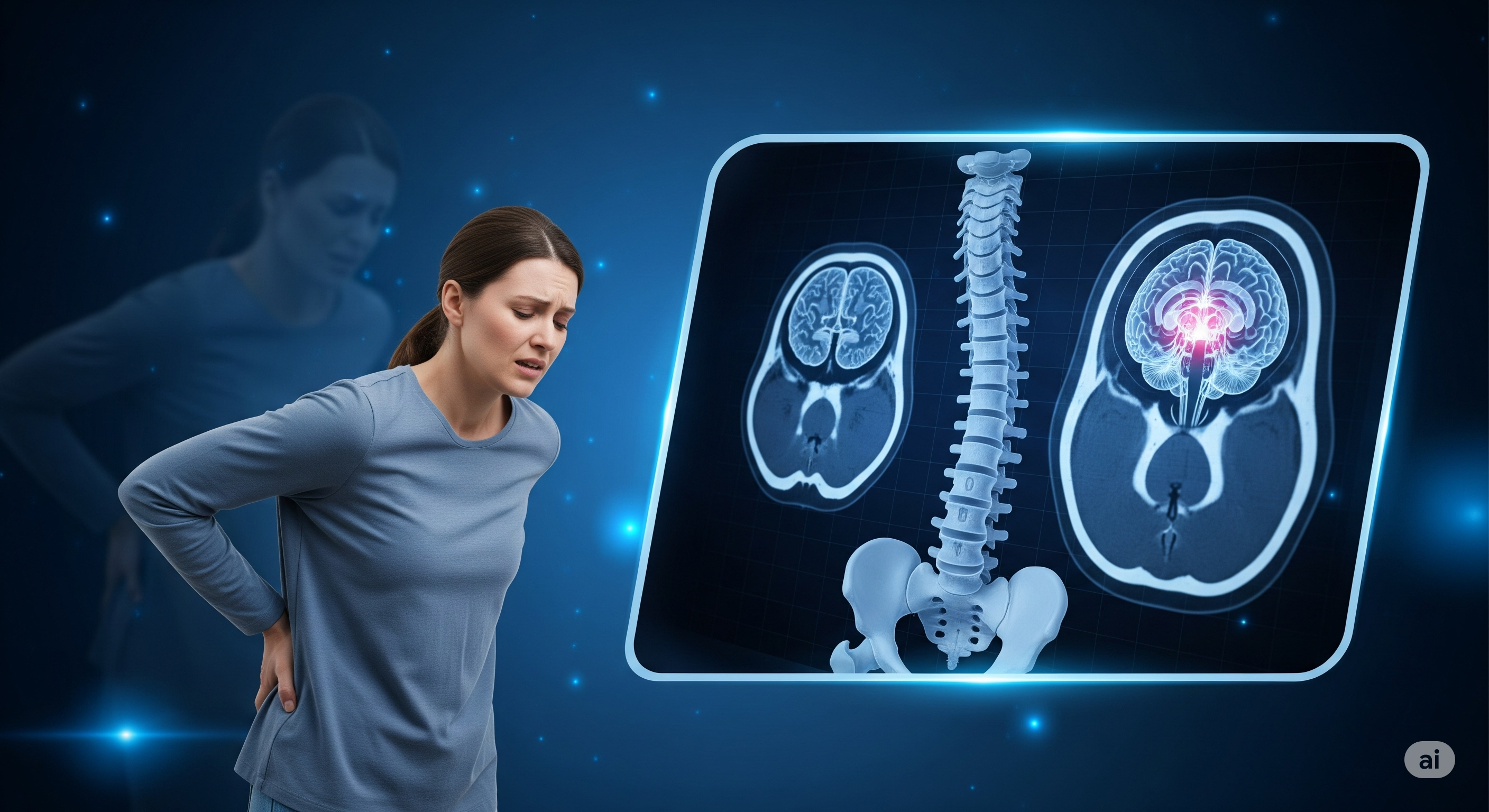
When Should You Seek Help?
🚨 Red Flags for Brain & Spine Conditions
Certain symptoms indicate a serious underlying issue that needs prompt evaluation:
For Back Pain:
- Persistent pain lasting more than 6 weeks despite rest/medication
- Weakness or numbness in legs/arms (may indicate nerve compression)
- Loss of bladder/bowel control (sign of cauda equina syndrome, a surgical emergency)
- Pain worsening at night or unrelated to activity (could suggest infection/tumor)
- Unexplained weight loss + back pain (possible malignancy)
For Neurological Symptoms:
- Severe headaches (especially sudden “thunderclap” headaches—possible aneurysm or hemorrhage)
- Seizures or blackouts (may indicate epilepsy, stroke, or brain tumor)
- Vision changes, slurred speech, or confusion (stroke warning signs)
- Balance problems or frequent falls (could signal Parkinson’s, MS, or spinal cord issues)
Surgical vs. Non-Surgical Treatment Options
🩺 Non-Surgical Approaches (First-Line Treatment)
Many spine and neurological conditions improve without surgery. Dr. S.K. Singh recommends:
- Physical therapy & targeted exercises (for herniated discs, sciatica)
- Pain management (medications, epidural injections)
- Lifestyle modifications (weight loss, posture correction)
- Alternative therapies (acupuncture, chiropractic care for select cases)
⚕️ When Is Surgery Needed?
Surgery becomes necessary when:
- Nerve compression causes progressive weakness (e.g., spinal stenosis, severe disc herniation)
- Spinal instability (e.g., spondylolisthesis, fractures)
- Tumors or cysts pressing on the brain/spine
- Stroke or aneurysm requiring intervention
Minimally invasive techniques (like microdiscectomy, endoscopic spine surgery, or robotic-assisted procedures) reduce recovery time and risks.
Why Choose a Specialist for Complex Neuro Care?
Early diagnosis and expert management prevent long-term damage. Dr. S.K. Singh’s clinic specializes in:
✔ Advanced diagnostics (MRI, CT, nerve studies)
✔ Personalized treatment plans (surgical & non-surgical)
✔ Cutting-edge procedures for brain tumors, spine deformities, and stroke
Final Thoughts
Ignoring neurological or spinal symptoms can lead to irreversible damage. If you experience persistent pain, weakness, or sudden neurological changes, consult a specialist immediately.
📞 Need expert advice? Schedule a consultation with Dr. S.K. Singh today for a comprehensive evaluation and tailored treatment plan.